Casement Window Materials Compared: How to Pick the Right Frame for Your Build
-

-
23 March, 2026

-
Reading Time:

Most homeowners already know they want casement windows. The question that stalls the project is the frame: wood, aluminium, vinyl, fibreglass, steel, or a full glass system. I have watched each of these perform on real jobs, and the gap between the spec sheet and the finished wall is bigger than you would think. Some frames look beautiful on day one and ask you for maintenance every single spring. Others last forever and still feel cold and industrial against a warm facade.
This is a practical comparison from a project point of view. Durability, energy cost, upkeep, budget, style — and which material actually belongs on a coastal home, a modern villa, or a tight renovation. The goal is to match a frame to your architecture and your daily life, not to pick a winner on paper.
What a casement window actually is
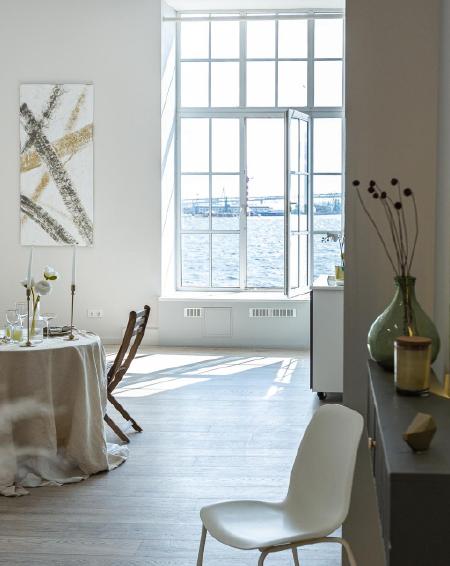
A casement window is hinged on one side of the frame and swings open on a crank, usually outward. The crank lets it open to a wide angle, which is why casements ventilate so well and why they seal tightly when closed — the sash pulls in against the frame. That tight seal is also why frame material matters so much. Any weakness in the frame shows up as a draught, a sticking sash, or a rotten corner.
Quick comparison table
| Material | Advantages | Disadvantages | Best for |
|---|---|---|---|
| Wood | Warm look, good natural insulation, many species, up to 20 years | Insects, moisture, annual repainting | Classic and heritage homes |
| Vinyl | Cheap, low maintenance, strong insulation, blocks noise | Poor below −10°C, limited colours | Suburban homes on a budget |
| Steel | Slim frames, strong, modern look, easy to fit | Rusts in coastal or humid air | Modern and industrial facades |
| Glass | Clean look, temperature stable, 20 to 60 years | Fragile, needs careful handling | Minimalist, view-focused builds |
| Aluminium | Durable, any colour, almost no upkeep | Conducts heat and cold, raises HVAC bills | Mild climates, cost-effective projects |
| Metal (general) | Customisable, strong, engraving-friendly | Rust if neglected, dents on impact | Feature windows, mixed interiors |
| Fibreglass | Stable in extreme temperatures, up to 50 years, low upkeep | Higher upfront price | Modern homes that need to last |
1. Wood
Wood is still the most common casement window material, and it stays popular for a reason: nothing else feels quite the same in a room. Because the market is huge, wood frames are often cheaper than people assume and come in every species you can name.
Advantages
You can pick the species to match the job — mahogany and oak for strength, Spanish cedar for rot resistance, pine for a budget build. A well-made wood casement lasts up to 20 years before it starts showing its age, and a good frame ages into the house rather than fighting it. The rustic, natural feel is hard to fake with any other material.
Disadvantages
Insects and moisture are the two real enemies. You need to repaint or reseal roughly every year, and you need to catch any water damage early. Skip the maintenance for two or three seasons and the frame will tell you.
Stylish, warm, and surprisingly affordable — wood is the right call when the house has character and the owner does not mind a little upkeep.
2. Vinyl
Vinyl is a synthetic frame made from PVC and resin, and it has taken over a huge slice of the mass-market window business. The reason is simple: it is cheap to buy, cheap to own, and it performs far better than the price would suggest.
Advantages
Vinyl insulates about as well as wood, and with a foam-filled core it insulates better. It also blocks noise well, which matters if you are anywhere near traffic. Impact resistance is solid, and a good vinyl casement will run 20 to 40 years without needing replacement. No painting, no sealing, no refinishing — you clean it and move on.
Disadvantages
Hard cold is where vinyl struggles. Below −10°C the material gets brittle and seals can shrink. Colour choice is also narrower than aluminium or fibreglass, and cheap vinyl can discolour in strong sun.
The right pick for suburban homes, budget builds, and noisy streets. You can get a comfortable, well-insulated house without blowing the window line of the project.
3. Steel
Steel casements have come back hard in the last few years. They are the frame behind every modern loft conversion you have seen on Instagram, and they keep appearing on villa and office projects because they look expensive and usually are.
Advantages
Steel can be drawn thinner than any other frame material while still carrying large panes of glass. That is the whole point — more glass, less frame, sharper sightlines. The frames are easy to fit, strong, and they hold up through decades of weather without complaint. No painting needed once powder-coated.
Disadvantages
Rust. If you are near the coast or in a humid climate, untreated steel will fail early. Marine-grade coatings and galvanising fix it, but they cost extra. Steel also conducts heat and cold, so thermal breaks are non-negotiable in cold climates.
4. Glass (frameless and structural glass systems)
Frameless and structural glass casements are the clean-lines option. Thermally they perform well because modern insulating glass units are stable across wide temperature swings, and visually they almost disappear, which is the point.
Advantages
Minimal maintenance, no frame to rot or rust, and a lifespan of 20 to 60 years depending on how the system is built. They work on hot, cold, and mixed climates equally well. Cleaning is simple because there is not much structure for dirt to catch.
Disadvantages
Fragility is the headline risk. Toughened or laminated glass reduces that, but any glass system will crack under a hard enough impact. Inspect for hairline cracks at every cleaning — a cracked pane is a safety issue, not a cosmetic one.
Simple, stylish, low-fuss — glass systems shine when the view is the main feature and the architecture is already doing the work.
5. Aluminium
Aluminium is the quiet workhorse of the casement market. It does not draw attention like steel and does not have the warmth of wood, but on a surprising number of projects it is the right answer and the client does not realise until they are living with it.
Advantages
Any shape, any colour, any size. Aluminium takes powder coat beautifully, which means the frames can match the architecture instead of competing with it. Price lands near wood, sometimes below it. Crack-resistant, dent-resistant, rot-free. In mild climates a well-fitted aluminium window can last generations.
Disadvantages
Aluminium conducts heat and cold almost too well. Without thermal breaks, your AC and heating will work harder and your energy bills will show it. Spec the thermally broken profile — the extra cost pays itself back fast.
Strong, low-maintenance, versatile — aluminium is the default pick for mild climates and cost-sensitive builds that still need to look sharp.
6. Metal (mixed and specialty metals)
Beyond pure steel and aluminium, there are mixed and specialty metal systems — bronze, wrought iron, zinc, patinated finishes — used mostly for feature windows and heritage restoration. They are underused on standard projects and deserve more attention on the right jobs.
Advantages
Full customisation. You can engrave, patina, hand-finish, and shape these frames in ways no other material allows. Strength and longevity are excellent — properly maintained metal casements can last centuries, which is not an exaggeration on historic European buildings.
Disadvantages
Rust and corrosion need active management, especially in humid climates. Dents happen under hard impact. Price climbs fast for custom work. These are not mass-market windows and should not be priced like them.
For statement windows, restoration work, and anywhere the frame is part of the architecture rather than just a hole-filler.
7. Fibreglass
Fibreglass is the current quiet winner of the high-end casement market. It is strong, stable, low-maintenance, and it can mimic painted wood well enough that most people cannot tell without touching the frame.
Advantages
Stable in extreme heat and extreme cold — the material barely expands or contracts with temperature. That means seals stay tight, sashes stay aligned, and glass units last longer. Lifespan runs up to 50 years on a quality frame. Installation is low-risk because fibreglass does not flex or chip easily. Mould cannot grow on it, although it can grow on insulation backing, so check that during any major clean.
Disadvantages
Price. Fibreglass is noticeably more expensive upfront than vinyl or basic aluminium. If you amortise the cost across the lifespan the maths works, but the purchase-order number is still higher.
The right call when you want a window you can forget about — and when the build budget has room for a frame that will outlast the rest of the kitchen.
How to actually pick: four questions I ask on every project
What is the climate doing to the frame?
Coastal or humid? Skip bare steel and watch wood carefully — vinyl, fibreglass, or marine-grade aluminium will serve better. Cold winters below −10°C? Skip vinyl and go wood or fibreglass. Hot and dry? Thermally broken aluminium is hard to beat.
What does the architecture want to say?
Traditional facade: wood or painted wood-look fibreglass. Modern villa: steel or slim-profile aluminium. Minimalist and glass-heavy: structural glass or thin steel. Mixed or eclectic: consider metal specialty frames on the feature windows, something simpler elsewhere.
How much upkeep will the owner actually do?
Nobody repaints wood windows as often as they plan to. If the owner is already tight on time or does not love home maintenance, pick a material that forgives neglect — fibreglass, vinyl, or aluminium. Saving wood for the rooms where it will be loved and looked after makes the whole house age better.
Where does the budget really sit?
The window line of a project tends to get squeezed last. Be honest about it early. Vinyl and aluminium cover budget builds. Fibreglass and steel are the mid-to-high premium picks. Custom metal and heritage wood sit at the top. Mixing materials across the house — premium frames where they show, efficient frames where they do not — is a completely valid strategy.
FAQ
What is the best material for casement windows?
There is no single winner. The right choice depends on climate, budget, and style. Wood, aluminium, vinyl, fibreglass, and glass all serve different jobs well.
Are wood casement windows still a good option?
Yes, when the owner is willing to maintain them. Wood gives natural insulation and a warm, classic look, but it needs regular painting or sealing to hold up against moisture and warping.
When should I choose aluminium casement windows?
Aluminium suits modern designs that need slim frames and strength, especially in warm, dry regions. Spec thermally broken profiles if energy bills matter.
What are the advantages of vinyl casement windows?
Vinyl is budget-friendly, insulates well, and asks for almost no maintenance. Watch out for extreme heat and the narrower colour range if style is a priority.
Why is fibreglass often recommended for casement frames?
Fibreglass handles temperature swings without flexing, which keeps seals tight for decades. Upkeep is low, lifespan is long, upfront cost is the main trade-off.
Are glass casement windows energy efficient?
With the right insulating glass unit, yes. Modern double and triple glazing deliver strong thermal performance in hot and cold climates alike.
How do I pick a material for coastal or humid areas?
Moisture-resistant options — vinyl, fibreglass, or marine-grade aluminium — outperform bare wood and untreated steel when salt air is in the mix.
Which material is best for low-maintenance casement windows?
Aluminium, vinyl, and fibreglass need minimal care. Clean occasionally and they hold up. Wood is the outlier — it needs ongoing surface protection.
How does window material affect energy bills?
Better-insulating materials — wood, fibreglass, and quality vinyl — reduce heat transfer, improve comfort, and drop long-term energy costs.
Can I mix different materials in one project?
Yes, and for bigger projects it often makes sense. Use aluminium or fibreglass in high-exposure spots and wood where warmth matters — the house ends up performing better and ageing better.
Before you leave — a short note
Casement window materials are never one-size-fits-all. Wood brings warmth. Aluminium and steel bring strength and clean lines. Fibreglass and glass bring longevity and low upkeep. The real work is matching the material to the climate, the architecture, the budget, and the way the owner actually lives in the house.
If you want a clearer direction, George Group China can review your drawings and budget, then propose material combinations with compatible hardware and glass. Send us your floor plan or window schedule and we will narrow the list down to options that suit your project — with rough cost ranges — before you commit to an order.